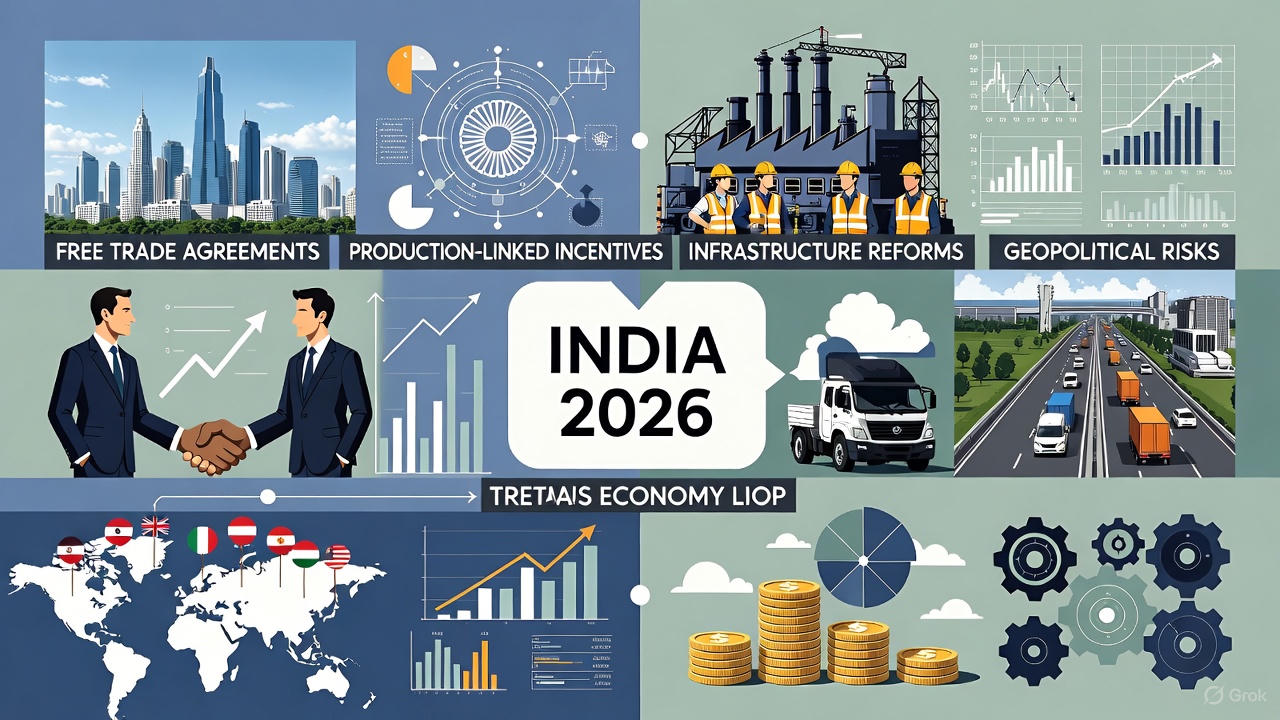
Why 2026 Could Be a Game-Changer for India’s Economy
Why 2026 Could Be a Game-Changer for India’s Economy: Insights from Global Trade and Reforms
In the dynamic arena of international politics and economics, 2026 emerges as a pivotal year for India. As the world’s fourth-largest economy, overtaking Japan with a projected GDP of $4.51 trillion, India stands on the cusp of transformative growth. This analysis, drawn from recent developments and expert projections, examines how maturing reforms in trade agreements, manufacturing incentives, and infrastructure could catapult India into a new era of prosperity. However, amid geopolitical tensions—including potential U.S. tariff hikes under a Trump administration—this opportunity is fraught with risks. Boldly stated: If executed well, 2026 could solidify India’s role as a counterweight to China in global supply chains; if not, it risks stalling amid external shocks.
India’s Economic Momentum Entering 2026
India’s economy roars into 2026 with resilient GDP growth forecasted at 6.5-7.8%, outpacing global averages. Driven by robust domestic demand, moderating inflation, and a “Goldilocks” phase of high growth with low price pressures, the nation has achieved milestones like surpassing Japan in economic size. Key factors include revival in private consumption, infrastructure push, and policy stability. The IMF and RBI highlight this strength, with GDP expanding at 8.2% in recent quarters, fueled by services and manufacturing sectors. Politically, this positions India as a stable democracy attracting foreign investment amid global uncertainties.
Free Trade Agreements: Opening Doors to Global Markets
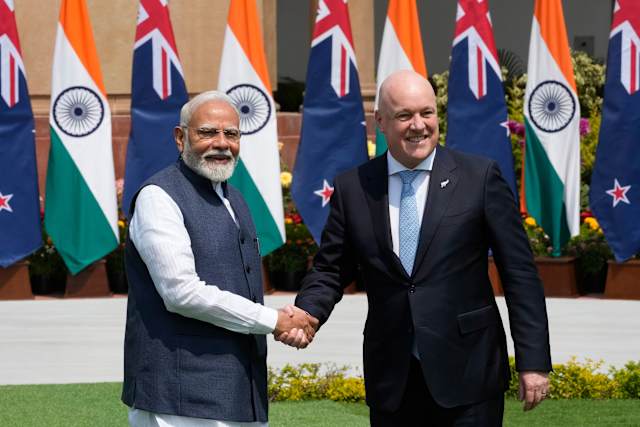
A cornerstone of India’s 2026 strategy is its aggressive pursuit of Free Trade Agreements (FTAs). With 15-18 FTAs already signed, including recent pacts with the UAE and Australia, India is negotiating more with the UK, Oman, Israel, Russia, and the EU. The India-Australia ECTA, effective from January 1, 2026, eliminates duties on key exports like textiles, engineering goods, and gems, potentially boosting bilateral trade by 20-30%. The impending UK FTA could serve as a gateway to Europe, enhancing IT and financial services.
Geopolitically, these deals reduce dependence on volatile partners and integrate India into 40% of global GDP markets. Critics argue, however, that FTAs have yet to deliver explosive export growth—India’s exports may only rise 3% in 2025-26 amid tariff barriers. Suggestion: Policymakers should prioritize value-chain upgrades and quality standards to maximize benefits, turning FTAs into engines of job creation and FDI inflow.

Production-Linked Incentives: Revving Up Manufacturing
The Production-Linked Incentive (PLI) scheme, launched in 2020, reaches maturity in 2026, with investments exceeding Rs. 35,657 crore and incentives disbursed at Rs. 2,321 crore. Sectors like electronics, automobiles, EVs, and medical devices are surging, with auto firms receiving Rs. 2,000 crore in incentives. Projections indicate electronics production hitting $300 billion by 2026, creating 12 lakh jobs.
This aligns with the “China Plus One” strategy, where global firms diversify from China, drawn to India’s low-cost labor, demographics, and stability. Benefits include FDI surges and export competitiveness. As a critic, I note the scheme’s success hinges on execution—delays in approvals could hinder progress. Businesses are advised to invest in R&D to climb global value chains.

Infrastructure Reforms: Streamlining Logistics for Exports
PM Gati Shakti and related initiatives are slashing logistics costs, improving port efficiency, and enhancing connectivity. By 2026, these reforms could boost exports by optimizing freight corridors and digital platforms like ULIP. Politically, this strengthens India’s trade corridors, fostering ties with Southeast Asia and Europe.
Yet, challenges persist: Global tariff hikes, such as Mexico’s on non-FTA partners, threaten Indian exports. Suggestion: Accelerate public-private partnerships to ensure timely implementation.
Geopolitical Risks and Criticisms
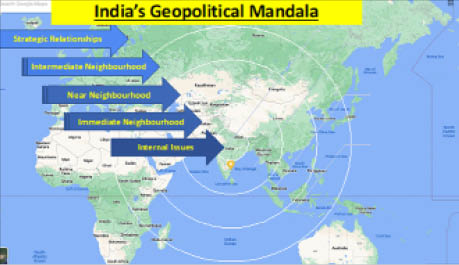
While optimistic, 2026’s outlook faces headwinds. A potential global recession, driven by AI spending drops or U.S. slowdowns, could dampen demand. Trump’s policies, including tariffs on India, risk reducing U.S. exports by 21-37%. Geopolitically, stalled FTAs or China tensions could exacerbate vulnerabilities.
Critics highlight uneven benefits: While elites gain from growth, issues like corruption, employment, and environmental concerns linger, as noted in public discourse. Bold critique: India must address inequality to sustain long-term growth, or risk social unrest undermining economic gains.
Conclusion: Seizing the 2026 Opportunity
2026 could mark India’s economic ascent, leveraging reforms for global integration and resilience. By balancing bold ambitions with prudent risk management, India can emerge stronger. Policymakers should focus on inclusive growth, while businesses explore new markets. As an international expert, I suggest monitoring U.S.-China dynamics closely—India’s agility will define its future.
Q&A Section
- Q: Why is 2026 special for India’s economy?
A: It marks the maturation of reforms like PLI and FTAs, coinciding with global shifts like China Plus One, potentially boosting exports and FDI. - Q: What are the main risks in 2026?
A: Global recession, U.S. tariffs under Trump, and execution delays in domestic policies could hinder growth. - Q: How can businesses benefit from these changes?
A: Invest in manufacturing under PLI, leverage FTAs for exports, and adopt digital logistics tools for efficiency. - Q: What role does geopolitics play?
A: FTAs enhance India’s bargaining power, while U.S.-China rivalry offers diversification opportunities but also tariff risks.
For more on India’s economic trajectory, check our internal link: India’s Economic Growth in 2025: Lessons for the Future.