Indore Water Contamination Crisis 2026: Deaths Rise Amid Sewage Leakage in India’s Cleanest City
Indore, Madhya Pradesh – January 2, 2026: A severe public health emergency has unfolded in Indore, repeatedly crowned India’s cleanest city, as sewage-contaminated drinking water has led to multiple deaths and thousands falling ill from acute diarrhoea and vomiting.

What Caused the Indore Water Contamination Crisis?
The crisis originated in the Bhagirathpura area, where a leakage in the main Narmada water pipeline allowed sewage to mix with drinking water. Investigations revealed a toilet built directly above the pipeline near a police outpost—without a proper septic tank—causing sewage from a pit to seep in during pressure fluctuations.
Residents reported foul-smelling, discolored tap water for days before symptoms emerged. Lab tests from Mahatma Gandhi Memorial Medical College confirmed bacterial contamination (including sewer bacteria like E. coli) in 26 samples.
- Affected Areas: Primarily Bhagirathpura and surrounding low-income localities.
- Symptoms: Severe vomiting, diarrhoea, dehydration, and fever—leading to rapid deterioration, especially in children and the elderly.
- Scale: Over 1,400–2,000 people affected; more than 200 hospitalized across 27 facilities.
- Death Toll: Official figures link 4 deaths directly to contamination, though mayor and local reports cite 7–14 deaths, including infants.

Government and Municipal Response
Authorities faced criticism for delayed action despite prior complaints. Key measures include:
- Suspension/dismissal of municipal officials and engineers.
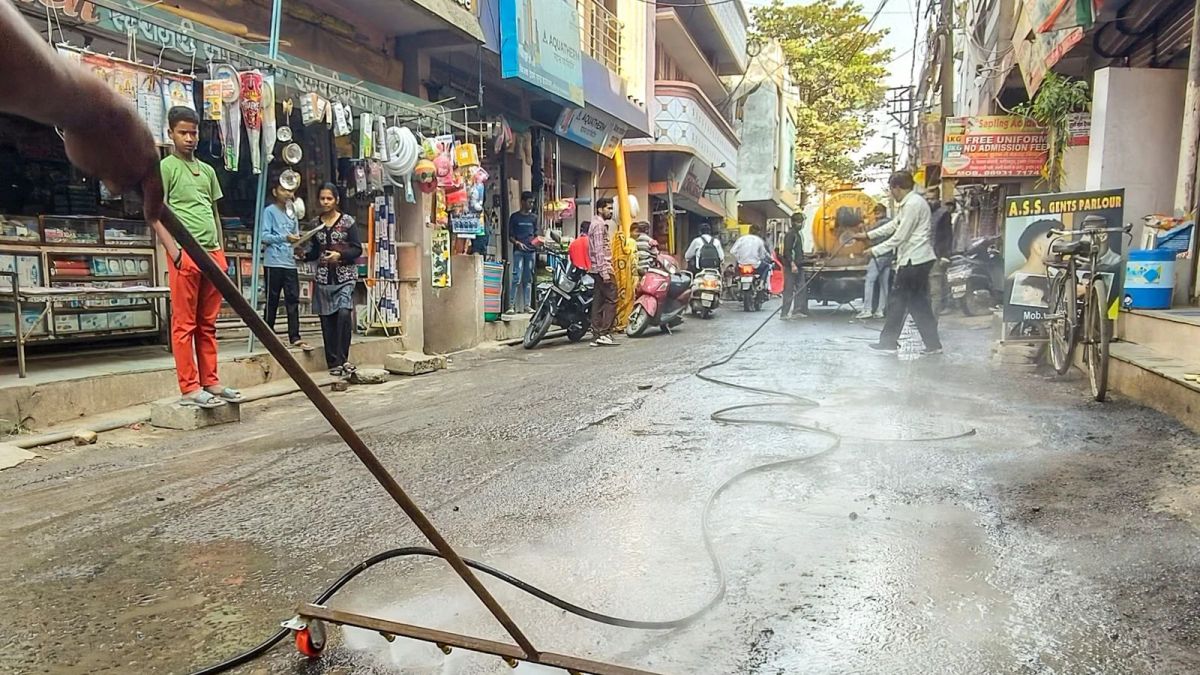
- High-level probe committee formed; pipeline repairs and intensive chlorination underway.
- Deployment of water tankers, chlorine tablets, ORS packets, and free medical camps.
- Madhya Pradesh High Court orders free treatment and status report.
- National Human Rights Commission (NHRC) issues notice demanding report within two weeks.
- Chief Minister Mohan Yadav and Minister Kailash Vijayvargiya visited affected areas.
Public Outrage and Broader Implications
Residents staged protests, demanding compensation and accountability. The incident exposes a paradox: Indore’s Swachh Bharat awards for surface cleanliness mask deeper infrastructure failures in water safety.
Experts highlight recurring issues in urban India: aging pipelines, poor maintenance, and negligence in marginalized areas. This crisis underscores gaps in initiatives like Jal Jeevan Mission.
Preventive Measures Needed
- Install real-time water quality sensors and separate sewage/drinking lines.
- Conduct regular infrastructure audits and independent monitoring.
- Strengthen complaint mechanisms and emergency response protocols.
- Ensure strict accountability for civic lapses.
As investigations continue, this tragedy serves as a urgent reminder for sustainable urban water management across India.
Stay updated on the latest developments in the Indore water contamination crisis 2026.