Exposed: Expired Imported Food Repurposed and Sold in Premium Indian Stores – Shocking Scam Revealed
:max_bytes(150000):strip_icc()/food-expiration-date-guidelines-2000-d51831ed52f749619eb7d53d0704c9ec.jpg)
A recent investigation has uncovered a disturbing scam in India: expired food items from the UK, US, and Dubai are being repurposed by altering labels and sold at premium prices in high-end stores. This eye-opening exposé, presented by Bhuvan Jha on StudyIQ IAS, highlights serious health risks, legal violations, and regulatory failures that put consumers at grave risk.
If you’re searching for “expired imported food scam India 2025,” “repurposed expired chocolates olive oil India,” or “food safety issues premium stores Delhi,” this article summarizes the key revelations, health dangers, and consumer protection tips.
The Scam Exposed: How Expired Food Enters Premium Indian Markets
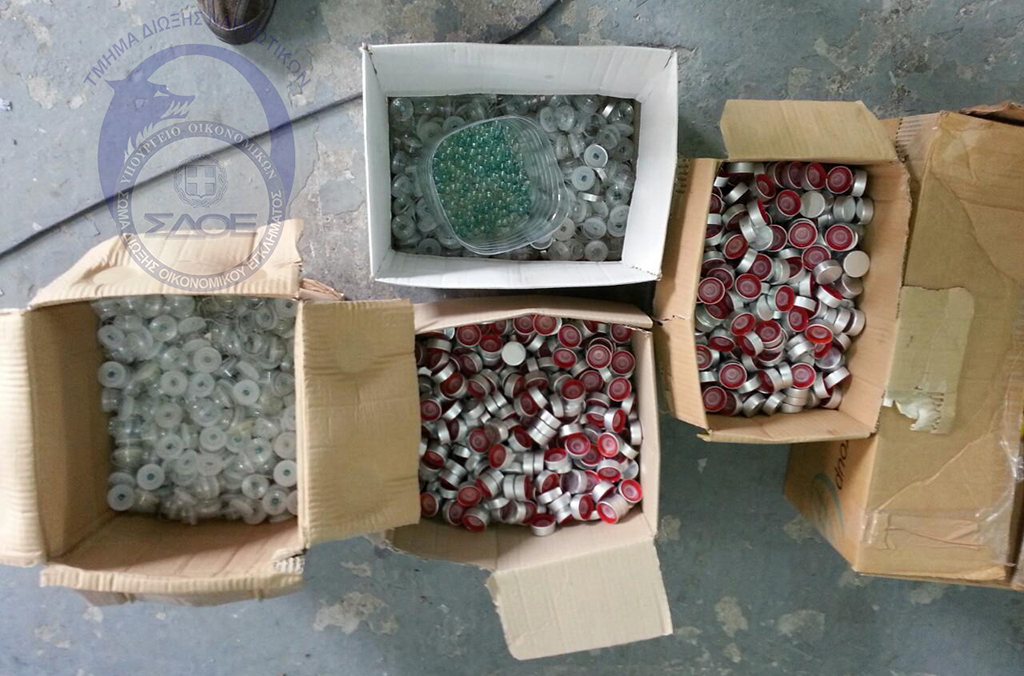
The video details a major seizure by the Delhi Crime Branch: over Rs. 44.5 crore worth of repackaged expired imported goods, including:
- 400+ kg of food items
- 15,000 liters of beverages
- 6,000 kg of snacks and candies
- High-value items like dips/sauces priced at Rs. 24,000 per kg
The supply chain involves buying cheap expired “waste” abroad, importing without proper checks, storing in unlicensed facilities (e.g., Mundka without FSSAI license), erasing original expiry dates, printing new labels, and selling in upscale areas like Khan Market.
Serious Health Risks from Consuming Repurposed Expired Food

Consuming these altered products poses severe dangers:
- Oxidized fats in stale nuts/chips → Gastroenteritis and potential cancer risk
- Moldy chocolates → Aflatoxin release, leading to liver damage or failure
- Expired oats → Reduced nutrients, fungal spores causing internal issues
- Degraded preservatives → Inflammation, allergies, metabolic disorders
These risks contribute to India’s rising cancer rates and raise questions about consumer safety priorities.
Legal Violations and Regulatory Gaps

This scam breaches multiple laws:
- Consumer Protection Act (linked to Article 21 right to health)
- Right to information on shelf life and risks
- Food Safety Standards Authority of India (FSSAI) regulations
- Drugs and Cosmetics Act, Legal Metrology Act
Penalties can reach Rs. 10-50 lakh and up to 2 years imprisonment, yet enforcement is weak due to poor coordination between Customs, Police, and FSSAI – lacking funding, trained staff, and technology.
Solutions and Consumer Advice
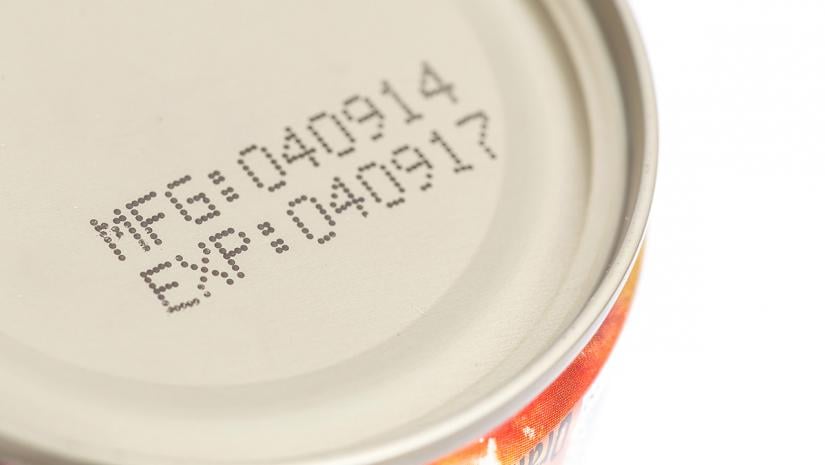
The video calls for:
- Technology adoption: QR codes, blockchain for traceability
- Better inter-agency coordination and data verification
- Consumer vigilance: Check import licenses, expiry dates, batch numbers; use Consumer Protection App; demand invoices
Avoid buying premium imports without verification to stay safe.
Conclusion: Time for Stricter Food Safety in India
This exposé underscores urgent needs for transparency and accountability in India’s food import chain. As premium stores sell potentially dangerous repackaged expired goods, consumers must stay alert while pushing for reforms.
Protect your health in 2025 – always verify before you buy!